

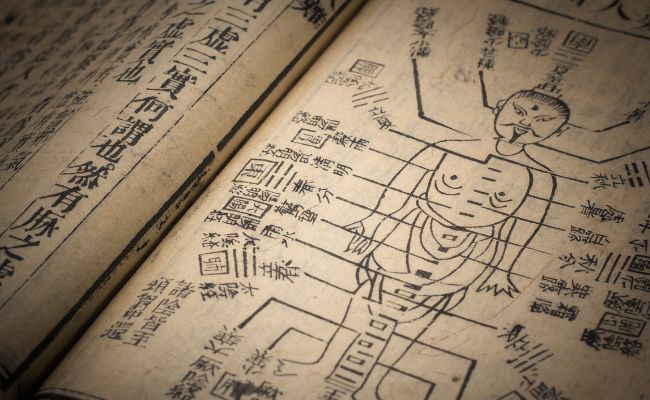
Acupressure and Sleep Disorders: A Natural Way to Better Sleep

Sleep disorders are a widespread problem affecting many people. Restless nights and insomnia can significantly impair quality of life. While many turn to medication to find a restful night, more and more people are seeking natural alternatives. One of these alternatives is acupressure, a traditional Chinese healing method that aims to harmonize the flow of energy by pressing certain points on the body. In this blog post, we will introduce the basics of acupressure, its application for sleep disorders, and some practical tips.
What is Acupressure?
Acupressure is a therapy originating from Traditional Chinese Medicine (TCM). It is based on the principle that the body is traversed by energy pathways called meridians, through which life energy (Qi) flows. Blockages or imbalances in this energy flow can lead to health problems. By pressing specific points along these meridians, the energy flow is intended to be restored and well-being improved.
Acupressure Points to Promote Sleep
There are several acupressure points that can be particularly effective in treating sleep disorders. Here are some of the most important points:
1. Shen Men (Heart 7)
- Location: At the wrist crease, on the inside of the wrist, in the depression next to the little finger.
- Effect: Calms the mind and helps with anxiety and insomnia.

2. An Mian (Peaceful Sleep)
- Location: Behind the earlobe, in the depression that forms when the head is slightly tilted back.
- Effect: Promotes restful sleep and relieves insomnia.

3. San Yin Jiao (Spleen 6)
- Location: Four finger widths above the inner ankle on the leg.
- Effect: Regulates the nervous system and promotes relaxation and sleep.

4. Yin Tang (Third Eye)
- Location: Between the eyebrows, in the center of the forehead.
- Effect: Calms the mind and helps with headaches and sleep disorders.

Applying Acupressure to Improve Sleep
Applying acupressure is simple and can be done comfortably at home. Here are some steps to effectively use acupressure to improve sleep:
-
Create a calm environment:
- Find a comfortable place where you won’t be disturbed. Dim the lights and create a relaxed atmosphere.
-
Relax:
- Take a few minutes to breathe deeply and calm your mind. Close your eyes and focus on your breath.
-
Locate the points:
- Use your fingers to find the acupressure points mentioned above. Apply gentle but firm pressure to each point and massage in small circular motions.
-
Duration and intensity:
- Massage each point for about 2-3 minutes. Adjust the pressure to your comfort level – it should be pleasant but not painful.
-
Regularity:
- Repeat acupressure regularly, ideally every evening before going to bed. Consistency is key to success.
Scientific Background and Studies
Although scientific research on acupressure is still relatively limited, some studies support the positive effects of this method on sleep. A 2010 study published in the Journal of Alternative and Complementary Medicine showed that participants who applied acupressure to the Shen Men and San Yin Jiao points reported significant improvements in their sleep quality.
Additional Tips for Better Sleep
Besides acupressure, other measures can also help improve sleep quality:
- Establish a sleep routine: Go to bed and get up at the same time every day.
- Reduce caffeine and alcohol: Avoid caffeinated and alcoholic beverages before bedtime.
- Create a sleep-friendly environment: Ensure a dark, quiet, and cool bedroom.
- Relaxation techniques: Practice relaxation exercises such as yoga, meditation, or breathing techniques.
Conclusion
Acupressure offers a natural and side-effect-free way to treat sleep disorders and improve sleep quality. By pressing specific points, the energy flow in the body can be harmonized, promoting deep, restorative sleep. Combined with other sleep-promoting measures, acupressure can become a valuable addition to your nightly routine.
Try it out and discover how acupressure can help you achieve better sleep. Your nights could soon be calmer and more restful – all without medication.
Sources:
- Journal of Alternative and Complementary Medicine, 2010. Study on the effects of acupressure on sleep quality.

Written by Joel Seite














1 comment
Prossimamente proverò questo sistema di ago pressione e vi saprò dire.
👋 Lele.
Lele
Leave a comment
This site is protected by hCaptcha and the hCaptcha Privacy Policy and Terms of Service apply.